When a commercial building’s summer energy bills increase, the roof is rarely the first place people look.
Facility managers may blame aging HVAC equipment, rising utility rates, inefficient lighting or employees adjusting thermostats. Those factors can certainly affect energy consumption, but there may be another source of heat working against the building every sunny afternoon: the commercial roof.
Your roof is exposed to direct sunlight for hours at a time. Depending on its color, condition, insulation and overall design, it may either help control the building’s temperature or absorb heat that the cooling system must continually remove.
That additional cooling demand creates what could be called a hidden rooftop heat tax. It does not appear as a separate line on the utility bill. Instead, it shows up through longer HVAC run times, uncomfortable interior spaces, rising energy expenses and accelerated wear on rooftop equipment.
The good news is that reducing this heat burden does not always require a complete roof replacement. In many cases, inspections, maintenance, targeted repairs, insulation improvements or a properly installed reflective roof coating may help improve roof performance while extending the life of the existing system.
How Hot Can a Commercial Roof Get?
Commercial roofs can become significantly hotter than the outdoor air.
The U.S. Department of Energy reports that a traditional dark roof can reach temperatures of 150 degrees Fahrenheit or higher in summer sunlight. Under the same conditions, a reflective cool roof may remain more than 50 degrees cooler.
Not all that heat immediately enters the building. The roof system’s insulation, deck and interior construction help slow heat transfer. However, the hotter the exterior roof surface becomes, the greater the potential thermal load placed on the building.
This is especially important for large, low-slope roofs over warehouses, manufacturing facilities, retail centers, schools, offices and multifamily properties. A roof covering tens of thousands of square feet can absorb a substantial amount of solar energy throughout the day.
A properly designed roofing system should help manage that heat. An aging, damaged or poorly insulated system may allow more of it to affect the occupied space below.
What Is the Rooftop Heat Tax?
The rooftop heat tax is the cumulative cost of operating a building beneath a roof that absorbs or transfers more heat than necessary.
It can include:
- Increased air-conditioning use
- Longer HVAC operating cycles
- Uneven temperatures throughout the building
- Greater strain on rooftop units
- Reduced occupant comfort
- Higher peak electricity demand
- Premature deterioration of roofing materials
- Lost insulation performance caused by moisture
- Emergency repair expenses when small problems are ignored
Every building is different. Roof color alone does not determine energy performance, and installing a reflective surface does not guarantee a specific amount of savings.
The Department of Energy notes that the value of a cool roof depends on several factors, including local climate, roof insulation, building use, energy prices and the efficiency of the heating and cooling systems.
The roof must therefore be evaluated as an entire system rather than judged by appearance alone.
1. A Dark or Weathered Roof Surface May Absorb Excessive Heat
Dark roof surfaces typically absorb more solar energy than light-colored or reflective surfaces.
Cool roofs work through two important properties:
Solar reflectance measures how much sunlight the roof reflects instead of absorbing.
Thermal emittance describes how effectively the roof releases absorbed heat.
A roof with strong reflectance and thermal emittance can maintain a lower surface temperature than a roof that absorbs and holds solar heat. ENERGY STAR explains that reflective roofing materials and coatings can lower roof surface temperatures and decrease the amount of heat transferred into commercial and residential buildings.
However, even a roof that was reflective when installed can change over time. Dirt, biological growth, pollution, surface wear, improper drainage and aging may affect its appearance and performance.
A professional inspection can help determine whether the surface simply needs cleaning and maintenance or whether it has deteriorated enough to require repairs, restoration or replacement.
2. Wet Insulation Can Quietly Reduce Roof Performance
One of the most serious energy-related roofing problems may be hidden beneath the membrane.
Commercial roof insulation is designed to reduce heat transfer between the exterior roof and the interior building. When moisture enters the roof assembly through a puncture, separated seam, failed flashing or another opening, the insulation may become wet.
Wet insulation can lose some of its ability to resist heat transfer. The National Roofing Contractors Association warns that moisture entering a roofing system can decrease the efficiency of thermal insulation and create unnecessary energy waste.
This problem may continue even after the visible leak disappears.
Water can travel within a roof assembly and affect areas beyond the original entry point. The ceiling may dry while moisture remains trapped beneath the membrane. During hot weather, that compromised area can allow additional heat into the building. During colder weather, it may also contribute to heat loss.
Potential warning signs include:
- Recurring roof leaks
- Water stains or discolored ceiling tiles
- Soft areas beneath the membrane
- Blisters or raised sections
- Unexplained hot areas inside the building
- Sections of the roof that remain wet longer than others
- Increasing cooling costs without a clear HVAC explanation
Infrared moisture scanning, core samples and other diagnostic methods may help identify affected insulation. The correct approach depends on the roof system and conditions.
In some situations, isolated wet areas can be removed and replaced without replacing the entire roof. If moisture is widespread, a larger restoration or replacement plan may be necessary.
3. Ponding Water May Signal a Larger Performance Problem
Water that remains on a low-slope roof after rainfall should not automatically be treated as a cosmetic issue.
Ponding water may indicate:
- Clogged drains
- Blocked scuppers
- Crushed or settled insulation
- Improper roof slope
- Structural movement
- Deteriorated roof sections
- Poorly designed rooftop additions
Standing water can collect dirt and organic material, contribute to surface deterioration and place additional stress on vulnerable seams or flashing.
It can also create inconsistent roof temperatures. Areas covered by water may heat and cool differently than dry areas, while the underlying cause — such as damaged insulation — may already be reducing the roof’s thermal performance.
Cleaning drains and removing debris may solve a minor drainage issue. Other conditions may require tapered insulation, drainage modifications, localized repairs or more extensive corrective work.
The important point is that ponding water should be investigated rather than ignored.
4. Open Seams, Punctures and Failing Flashing Can Affect More Than Waterproofing
Commercial roofs contain numerous vulnerable details, including seams, penetrations, curbs, drains, edges and transitions.
These areas are commonly affected by:
- Foot traffic
- Dropped tools
- HVAC service work
- Expansion and contraction
- Severe weather
- Improperly installed equipment
- Aging sealants
- Previous temporary repairs
Most building owners associate these defects with leaks. That is understandable, but the consequences can extend beyond visible water entry.
Once moisture enters the roof system, it may affect insulation, decking, interior finishes and electrical or mechanical components. Small openings may also contribute to uncontrolled air movement around penetrations and roof-to-wall transitions.
Finding and repairing these defects early is usually more manageable than waiting until water has spread through a larger portion of the roof assembly.
5. Insufficient Insulation Can Increase the Cooling Load
Some older commercial buildings have less roof insulation than would typically be installed under current energy requirements. Other buildings may have insulation that has settled, shifted, become compressed or been removed during previous repairs.
The roof assembly plays an important role in controlling a building’s heating and cooling costs, and modern energy codes include minimum roof insulation requirements for many commercial buildings.
More insulation is not automatically the correct answer for every building. The type, thickness, placement and condition of the insulation must be considered along with moisture control, deck type, roof system and building use.
When a major roofing project is being planned, the existing insulation should be evaluated. Adding or upgrading insulation may improve thermal performance, but the cost-effectiveness should be analyzed for the specific building. Department of Energy guidance similarly recommends evaluating the financial value of additional insulation rather than assuming that every increase will produce the same result.
6. The Roof May Be Increasing Wear on Your HVAC Equipment
A hot roof does not just affect the rooms below it. It can also influence rooftop mechanical equipment.
Many commercial buildings use rooftop HVAC units that sit directly above the roof surface. During hot weather, those units may operate in an already demanding environment while drawing in outdoor air near a heated rooftop.
If the building envelope allows excessive heat into the interior, the cooling system must work longer to maintain the thermostat setting. Incorrectly sized or inefficient rooftop units can add another layer of energy waste and discomfort. Department of Energy guidance notes that incorrectly sized rooftop units may consume more energy, provide less comfortable conditions or both.
The roofing contractor is not a replacement for a qualified mechanical contractor. However, a coordinated evaluation of the roof and HVAC system can help prevent one trade from treating symptoms caused by another part of the building.
Replacing air-conditioning equipment without investigating the roof may leave the new system fighting the same heat load.
Signs Your Commercial Roof May Be Affecting Cooling Costs
A single warning sign does not prove that the roof is responsible for higher energy bills. Several patterns together, however, may justify an inspection.
Watch for:
- Summer utility costs rising faster than expected
- HVAC units running for increasingly long periods
- Upper floors or perimeter areas remaining unusually hot
- Employees using portable fans despite normal thermostat settings
- Large temperature differences between parts of the building
- Visible roof discoloration or surface deterioration
- Recurring leaks or stained ceiling tiles
- Ponding water around drains or rooftop units
- Unknown insulation thickness or condition
- A roof nearing the end of its expected service life
- Significant differences between roof surface temperatures
- A lack of documented roof inspections or maintenance
Energy bills alone cannot identify the cause. Utility rates, production schedules, occupancy, weather and equipment changes should also be considered.
The goal is not to blame the roof for every increase. It is to make sure the roof is included in the investigation.
What Should a Commercial Roof Heat Audit Include?
A commercial roof heat audit should evaluate both visible conditions and hidden performance risks.
A thorough assessment may include:
Roof surface condition
The inspector should document cracking, weathering, discoloration, exposed reinforcement, coating deterioration and other signs of surface aging.
Seams and flashing
Seams, curbs, penetrations, walls, drains, edges and expansion joints should be examined for openings or deterioration.
Drainage
The inspection should identify clogged drains, blocked scuppers, ponding water and low areas.
Insulation condition
When appropriate, diagnostic tools may be used to investigate trapped moisture or inconsistent insulation performance.
Roof penetrations and equipment
HVAC curbs, pipes, conduits and equipment supports should be checked for damaged or improperly completed flashing.
Previous repairs
Old patches should be evaluated to determine whether they remain watertight or were only temporary solutions.
Interior evidence
Ceiling stains, condensation, moisture, temperature differences and areas of occupant discomfort can provide useful clues.
Maintenance history
Inspection reports, leak records, repair invoices, warranties and installation documents can help identify patterns.
Periodic inspection and maintenance programs are widely recommended to help keep commercial single-ply roofing systems watertight and performing properly.
Can a Reflective Roof Coating Reduce the Heat Tax?
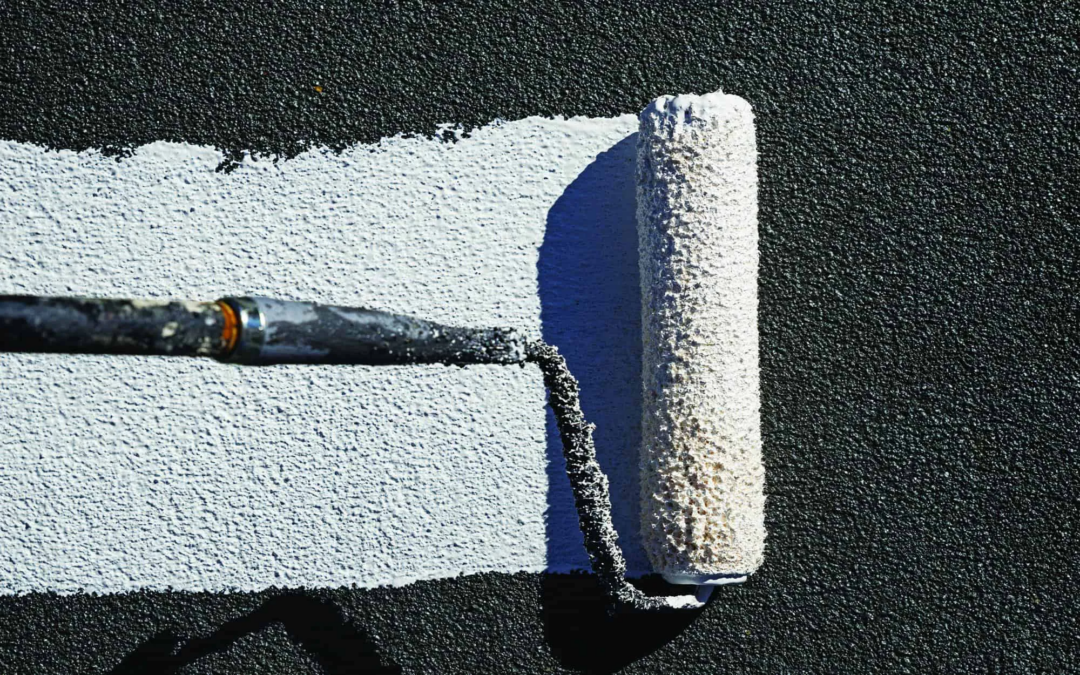
In the right situation, a reflective roof coating may help restore an aging commercial roof and reduce surface temperatures without requiring a complete replacement.
A properly designed coating system can potentially:
- Create a reflective exterior surface
- Seal compatible roof areas
- Protect the existing membrane from additional weather exposure
- Extend the service life of a suitable roof
- Reduce disruption compared with replacement
- Provide a more manageable restoration option for some budgets
However, a roof coating is not paint, and it should not be applied over every aging or leaking roof.
Before a coating is recommended, the roof should be evaluated for:
- Trapped moisture
- Wet insulation
- Structural concerns
- Drainage problems
- Adhesion compatibility
- Seam and flashing conditions
- Existing contamination
- Roof movement
- Manufacturer requirements
Wet insulation and damaged roofing materials may need to be removed and replaced before coating work begins. Seams, penetrations and drainage defects must also be properly addressed.
A coating installed over unresolved problems can hide damage without correcting it. A properly evaluated and installed system, on the other hand, may provide a cost-effective way to restore a qualified roof.
The Environmental Protection Agency also recommends considering insulation and air sealing alongside reflective roofing improvements to maximize potential energy and heat-reduction benefits.
Start With the Least Disruptive Responsible Solution
Reducing rooftop heat does not always begin with replacement.
Depending on the roof’s condition, the appropriate plan may include:
- Cleaning drains and removing rooftop debris
- Repairing punctures, seams and flashing
- Replacing isolated sections of wet insulation
- Correcting drainage problems
- Cleaning a compatible reflective membrane
- Restoring deteriorated details
- Applying a qualified reflective coating system
- Adding insulation during a larger roofing project
- Recovering or retrofitting the roof when appropriate
- Replacing the roof when repairs or restoration are no longer responsible
The least expensive option is not always the option with the lowest long-term cost. Repeated temporary repairs can become expensive when the underlying roof condition is not addressed.
The objective should be to find the least disruptive responsible solution — one that controls immediate costs without allowing hidden damage to grow.
Do Not Wait for the Next Leak
A commercial roof does not need to be actively leaking to cost a building money.
Excessive surface heat, deteriorated reflectivity, trapped moisture, inadequate insulation and poor drainage may affect the building long before water reaches an occupied space.
A professional inspection can help determine whether the roof is contributing to higher cooling demand and identify practical steps for improving its condition. It can also provide the documentation needed to prioritize repairs, plan a coating project or prepare for a future replacement.
Commonwealth Roofing Corp. helps commercial building owners evaluate the entire roof system — not just the most visible problem. Our team can inspect the roof, document its condition and develop options involving maintenance, repairs, insulation replacement, coatings or reroofing based on what the building actually needs.
Before investing in larger HVAC equipment or accepting rising summer energy costs, make sure your roof is not quietly adding a hidden heat tax to your building.
Safety, Service, & Quality — every day since 1981.
Louisville: (502) 459-2216
Hebron: (859) 943-0012
Service: (888) 818-4842