
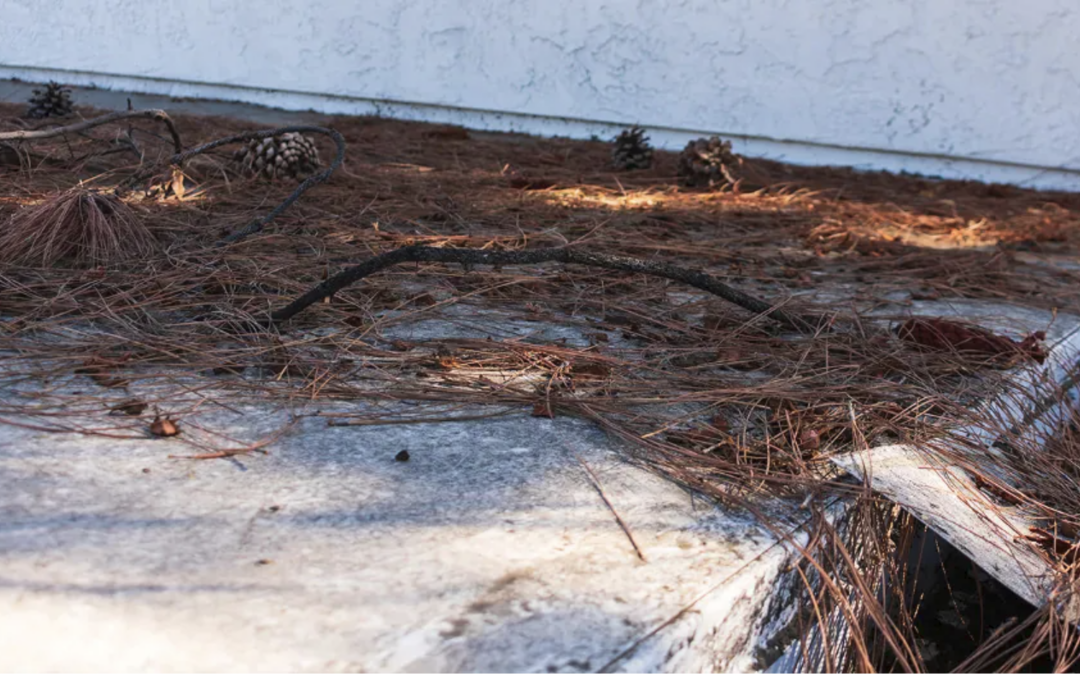
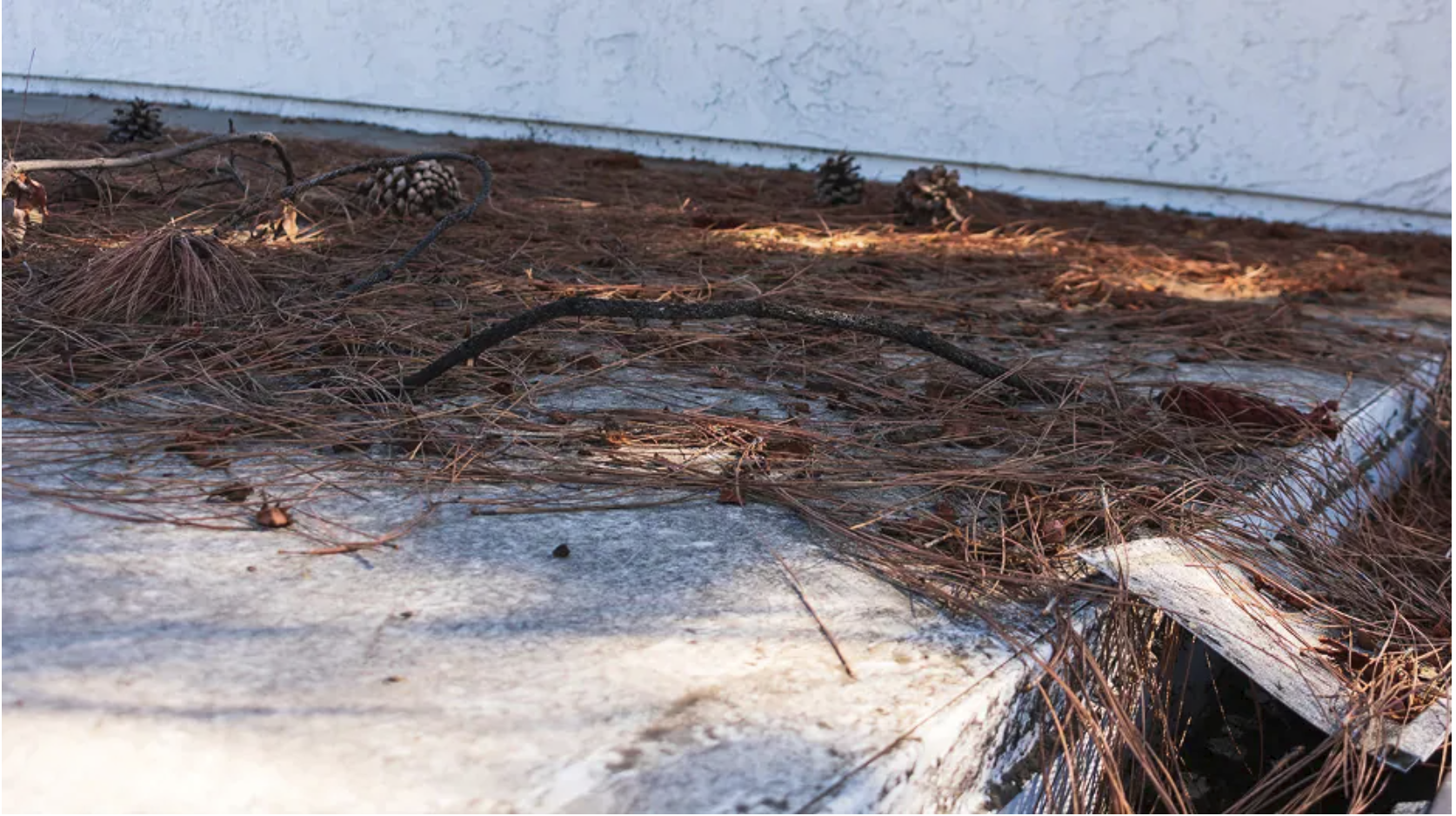
A clogged roof drain might seem like a minor maintenance issue, but when winter arrives, it can quickly become an expensive problem.
Commercial roofing systems rely on properly functioning drains and scuppers to move rainwater and melting snow away from the building. When leaves, dirt and other debris block these drainage points, water can collect on the roof instead of flowing away.
As temperatures drop, standing water can freeze, thaw and refreeze, increasing the potential for roof damage and leaks.
Before winter arrives, here's what every commercial property owner and facility manager should know about protecting their roof's drainage system.
Why Are Roof Drains So Important?
Unlike steep residential roofs, most commercial roofs have a low slope that allows water to flow gradually toward designated drainage points.
Two common components help manage that water:
-
Roof drains: Located at low points on the roof, these carry water into a drainage system that directs it away from the building.
-
Scuppers: Openings along roof edges or through parapet walls that allow water to drain off the roof. Some also serve as emergency overflow outlets.
Both play an important role in preventing unnecessary water accumulation. However, they can become clogged by leaves, dirt, roofing debris and other materials.
When water has nowhere to go, the problems begin.
How Clogged Drains Lead to Ponding Water
Ponding water occurs when water collects on a roof and remains there instead of draining away.
On commercial roofs, clogged drains and scuppers are common contributors to this problem.
Standing water can create several serious risks:
-
Additional weight: Accumulated water places extra weight on the roof structure.
-
Membrane deterioration: Prolonged exposure to standing water can accelerate deterioration in certain roofing systems.
-
Increased leak potential: Water accumulating around vulnerable seams, flashings and penetrations can expose existing weaknesses.
-
Interior damage: Water intrusion can damage ceilings, insulation, equipment and inventory.
While some temporary standing water may occur following heavy rainfall, persistent ponding deserves professional attention.
Why Winter Makes Drainage Problems Worse
During winter, commercial roofs may experience repeated cycles of freezing and thawing.
When drainage systems are blocked, rainwater and melting snow can accumulate around drains and other low points.
As temperatures fall, that water can freeze. When temperatures rise again, the melting water may have nowhere to escape if the drainage system remains obstructed.
This can contribute to:
-
Ice accumulation around roof drains and scuppers
-
Additional weight from trapped water and ice
-
Water backing up against vulnerable roofing details
-
Increased potential for leaks during winter thaws
-
Damage to drainage components and surrounding roofing materials
A drainage problem that could have been addressed during the fall may become much more difficult to resolve once ice and snow cover the roof.
Winter weather can also make roof access unsafe, delaying inspections and repairs when they are needed most.
Warning Signs Your Roof Drains Need Attention
Property owners and facility managers should watch for several signs that a commercial drainage system may not be functioning properly.
1. Standing Water After Rainfall
Water that remains on the roof long after precipitation ends may indicate blocked drains, insufficient slope or another drainage issue.
2. Leaves and Debris Around Drains
Accumulated leaves, dirt and other debris can restrict water flow, especially during the fall.
3. Water Stains Inside the Building
Stains on ceilings or walls may indicate water intrusion. Although not every leak originates at a drain, recurring leaks during heavy rainfall can signal a drainage problem.
4. Visible Ice Around Drainage Points
Ice buildup near drains and scuppers may indicate that water is not moving away from the roof as intended.
5. Overflowing or Blocked Scuppers
Water spilling over roof edges or collecting near parapet walls can indicate that drainage pathways need attention.
How to Prepare Your Roof Drains for Winter
Taking action during the fall can help commercial property owners avoid unnecessary winter roofing emergencies.
A professional roof maintenance visit should prioritize:
-
Removing debris around roof drains and scuppers
-
Checking drain strainers and covers for damage or obstructions
-
Verifying that accessible drainage pathways are functioning
-
Looking for evidence of persistent ponding water
-
Examining roofing membranes and flashings around drainage points
-
Identifying drainage problems that may require additional repairs or evaluation
If water continues to accumulate after drains have been cleared, the issue may involve roof slope, drainage design or other conditions that require a more comprehensive solution.
Most importantly, don't wait until the roof is covered in ice or snow to address known drainage problems.
Protect Your Commercial Roof Before Winter Arrives
At Commonwealth Roofing Corp., we understand that preventing roofing problems is often more cost-effective than responding to emergencies.
Our commercial roofing professionals help property owners identify drainage concerns, address vulnerable roofing details and develop maintenance plans that can extend the life of their roofing systems.
We don't believe every roofing problem requires a complete replacement. Sometimes, addressing a clogged drain, repairing vulnerable flashing or correcting a localized issue can help prevent much larger expenses.
Before freezing temperatures make roof access and repairs more difficult, schedule a commercial roof inspection with Commonwealth Roofing Corp.
Protect your building. Prevent unnecessary repairs. Extend the life of your roof.
Safety, Service, & Quality — every day since 1981.
Louisville: (502) 459-2216
Hebron: (859) 943-0012
Service: (888) 818-4842