
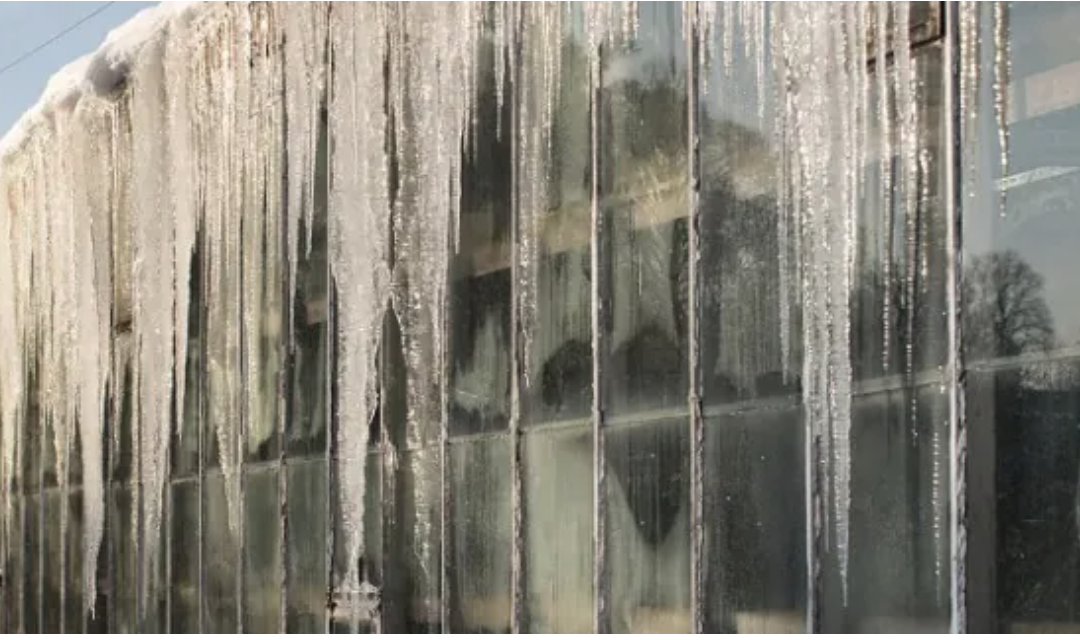
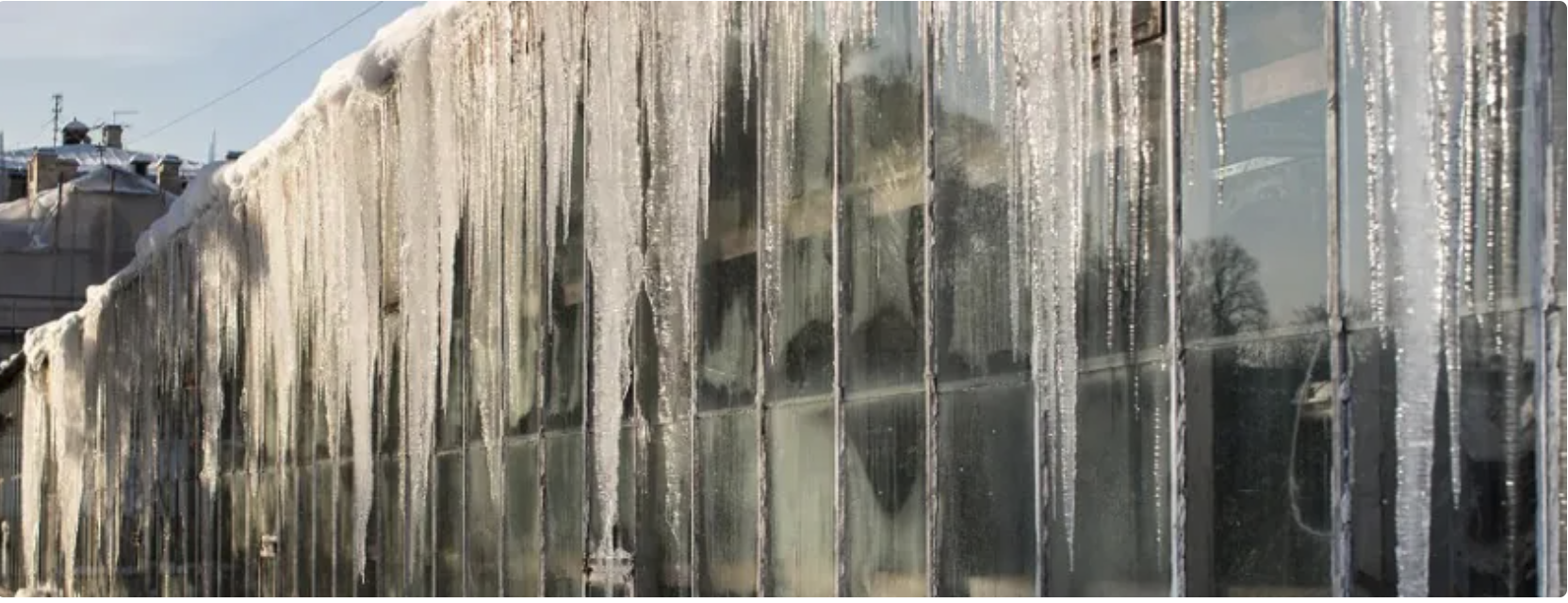
Statistics reveal that water damage and freezing account for 21.3% and 15.6% of business claims in the winter months, respectively. To avoid all this, you should winterize your roof. Doing so eliminates ice dams and protects your insulation, providing you with comfort and cost savings.
Want to know more? This article shares tips for winterizing your roof so you stay protected during colder months.
Tips to Winterize Your Roof
Arrange a Roof Inspection
Over time, especially throughout the summers, your roof may suffer some wear and tear. Scorching UV rays and heavy rains can compromise the integrity of your roof, resulting in cracks and wet insulation. However, fixing the deficiencies during winter can be quite difficult and expensive.
So, first things first, arrange a detailed roof inspection before or right around fall to pinpoint issues that may become a nuisance later. Consult local sources, your friends and family, or social media to find a reliable commercial roof inspection company.
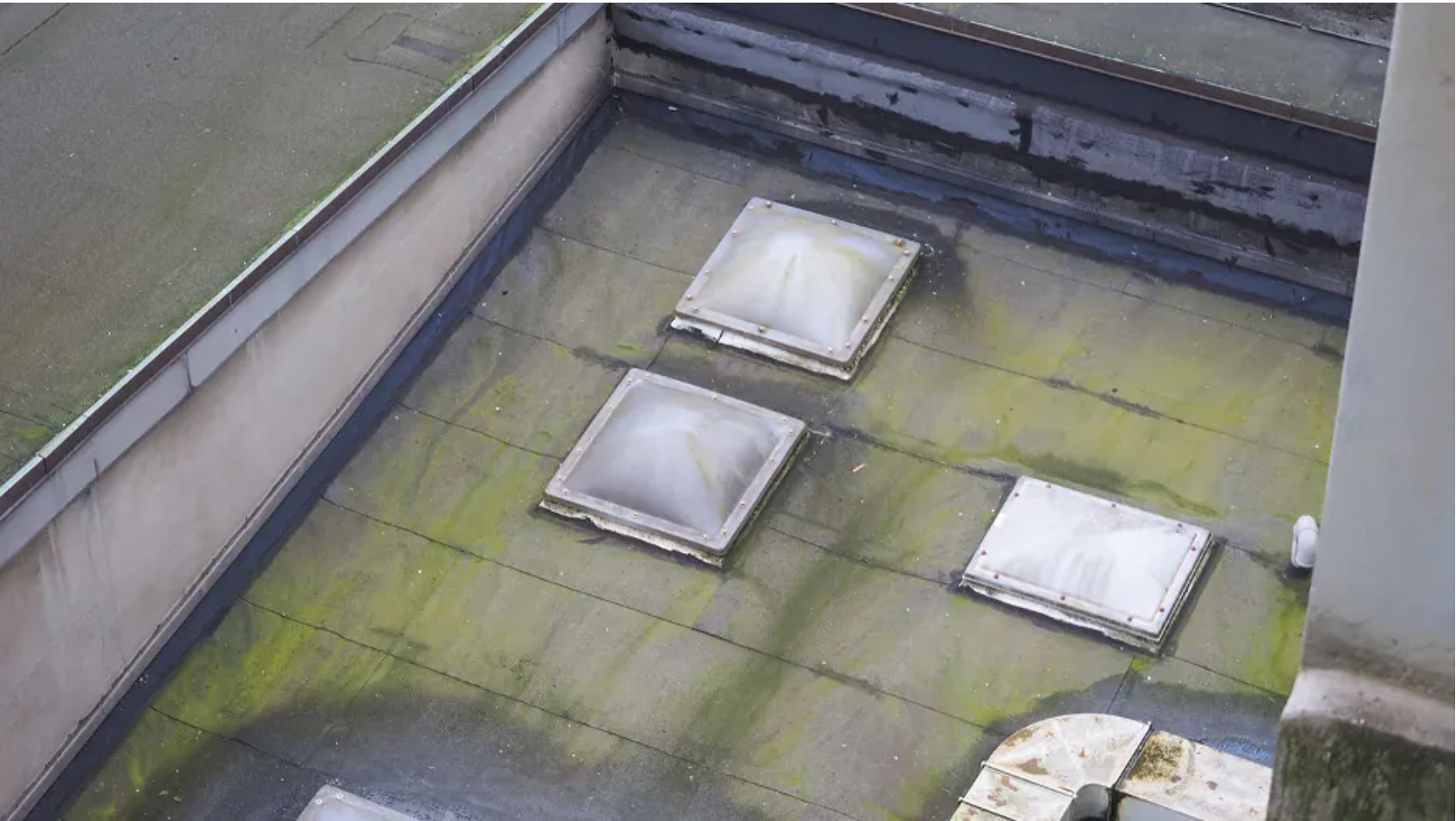
Once you have hired a commercial roofing contractor you are comfortable with, set up an inspection right away before inclement weather arrives. During the inspection, they may look for and fill cracks in the roof membranes that have the potential to trap and freeze melted snow. They can also reinforce flashing around the vents to ensure that your overall roof is prepared to handle the harshness of winter.
Clean the Roof Thoroughly
To avoid these problems, the best tip to winterize your roof is to be purposeful and intentional in planning a deep roof cleaning. It is recommended you hire a professional roof cleaning team who will:
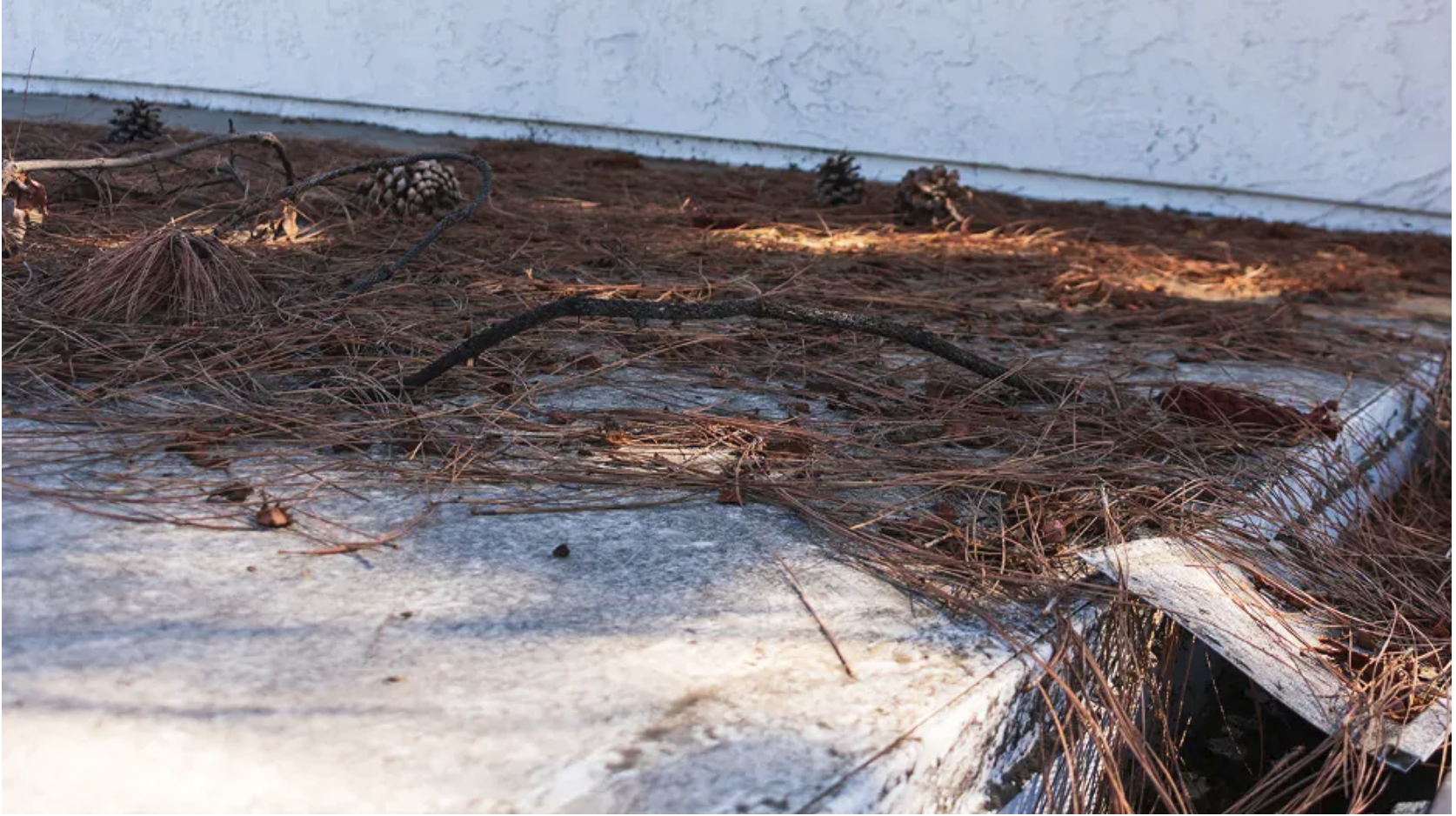
- Remove nesting materials that small animals or birds have built. The cleaning will improve drainage systems and reduce the chances of acidic droppings (Make sure to check if they are protected by law or not before removal).
- Fill all open spots or cracks that may invite pests like mice and cockroaches and make the building a safe haven for both employees and customers.
- Get rid of overhanging or fallen tree branches that could accidentally puncture your commercial roofing material during storms or damage the metal edging.
- Clean out mold and moss buildup to prevent water or moisture retention, bidding a forever farewell to roof decay.
This detailed cleaning not only helps you maintain your commercial roof’s pristine condition but it extends its lifespan during winter and makes the whole inspection process a breeze.
Clean All the Gutters and Downspouts
If neglected over time, the ponding water will rot the fascia board and routinely allow water to penetrate your roof system. The moist environment invites mold and mildew within the building and wreaks havoc on the ceiling and structural framework.
Because you are probably working from a ladder, it is important to practice safety when winterizing your roof system. One of the easiest ways to be safe is to clean off the roof, roof gutters, and downspouts before the cold arrives. Here are some helpful tips to get started:
1. Gather Your Tools
Start by collecting all the tools that you will need during the cleaning process. For instance, you should keep:
- Ladder to access the gutters
- Gloves to protect hands against sharp debris
- Gutter scoop to take out the debris
- Basket to collect all the dirt
- Flush out the remaining particles
2. Remove Larger Debris
Use the gutter scoop or your hands to pick up large debris, including leaves and twigs. If the dirt is stubborn, like stuck to the gutter surface, a garden trowel can help you remove it.
3. Flush the Remnants
4. Clear Downspout Blockage
Tip: Commercial roof gutters can be quite large and very high, so contact a professional cleaner to do all the work for maximum results.
4. Clear Downspout Blockage
A typical inspection may include evaluation of:
Roof membrane condition, seams, flashing, edge metal, walls, penetrations, drains, scuppers, gutters, downspouts, rooftop equipment, pipe boots, curbs, skylights, hatches, expansion joints, areas with ponding water, signs of foot traffic damage, previous repairs, loose materials, debris, and interior signs of moisture.
The inspector should also look for safety concerns and access issues. A roof that is difficult to access or has heavy rooftop traffic may need additional maintenance planning.
Good inspections should include photos, notes, and recommendations. Documentation matters because it helps track changes over time. It also gives property owners, facility managers, and decision-makers a clear record of what was found and what needs attention.
Re-apply Protective Sealant
We suggest you keep an eye on your commercial roof’s protective sealants to check if they’re wearing thin, cracking, or peeling off. If the sealant is compromised, you should get it immediately re-applied to ensure your commercial roof’s insulation and drywall stay intact.
As a result, your building will not only maintain a neat appearance, but the proper insulation will also help ensure a warm temperature, creating a comfortable and pleasant working experience.
Have A Proper Ventilation System
FAQs
What are the most common problems that may arise if you don’t winterize your commercial roof?
Some common problems that you may face without winterization include ice dams, roof membrane cracks, leaks, and poor drainage systems that result in water damage and costly repairs.
What are the best commercial roof sealants to apply during winterization?
The best commercial roof sealant options you can explore during winterization include acrylic sealants and silicone sealants, which are both highly durable.
Is it necessary to hire a professional to winterize your roof?
Yes, it’s suggested that you get professional help for commercial roof winterizing, as it allows you to focus more on business tasks while the experts handle everything from cleaning the roof to sealant application and gap filling.