Commercial roofing requires more than technical knowledge of membranes, insulation, coatings and drainage systems. It also requires a detailed understanding of job-site safety.
Commercial roofs may contain skylights, roof openings, unprotected edges, electrical equipment, HVAC systems and active production areas below. Crews may also work around cranes, loading zones, delivery vehicles and facility employees. Every one of these conditions must be considered before work begins.
Commonwealth Roofing Corporation treats safety as a core part of project planning and execution. It is not a separate checklist completed after the job has already been designed. Safety influences how workers access the roof, where materials are staged, how roof edges are controlled and how the project is coordinated with the customer.
Pre-Job Planning and Hazard Assessment
Every commercial property is different. A warehouse, manufacturing plant, school, retail center and multifamily building will each have unique hazards and operating requirements.
Before work begins, the project team evaluates conditions such as:
- Roof height and access
- Roof edges and changes in elevation
- Skylights, hatches and other openings
- Existing membrane conditions
- Electrical and mechanical equipment
- Material-delivery locations
- Crane or lift requirements
- Pedestrian and vehicle traffic
- Facility operations below the work area
- Emergency and evacuation procedures
- Weather and heat exposure
This assessment helps the team establish a job-specific safety plan rather than relying on a one-size-fits-all approach.
Fall-Protection Systems
Falls remain one of the most significant hazards in commercial roofing. OSHA’s construction standards address the duty to provide fall protection, system requirements and employee training under 29 CFR 1926 Subpart M.
The appropriate system depends on the roof, task and work area. Protection may include:
- Guardrail systems
- Personal fall-arrest systems
- Personal fall-restraint systems
- Warning-line systems where permitted
- Safety-monitoring systems where permitted and properly implemented
- Covers or guardrails around roof openings
- Controlled access to designated work areas
Warning lines alone are not appropriate for every situation. Roof configuration, work activity and distance from an edge all affect what OSHA permits. The project’s competent person must evaluate the conditions and select compliant protective measures.
The ABCDs of Fall Protection
A useful way to understand a personal fall-protection system is through its four primary components:
- A — Anchorage: A secure point capable of supporting the applicable system and forces.
- B — Body support: A properly fitted full-body harness.
- C — Connectors: Lanyards, lifelines, self-retracting devices and compatible hardware.
- D — Descent and rescue: A plan for assisting a worker after a fall or other emergency.
Each component must work with the others. A worker can wear a high-quality harness and still be at risk if the anchorage, connector or rescue plan is inadequate.
Equipment must also be inspected regularly. Damaged, worn or fall-loaded components must be removed from service according to applicable requirements and manufacturer instructions.
Skylights and Roof Openings
Skylights can be especially dangerous because they may look solid while being unable to support a worker’s weight. Dirty, painted or weathered panels may also blend into the surrounding roof.
Crews must identify skylights and openings before work begins. Depending on the conditions, protection may include covers, guardrails or personal fall-protection systems.
The same caution applies to open roof hatches, removed decking and areas under repair. Openings should never be left unprotected where a worker could accidentally step or fall through them.
Safe Access, Ladders and Roof Hatches
Safe access is essential on commercial buildings. Crews may use permanent ladders, temporary extension ladders, roof hatches, stairs, scaffolds or aerial lifts.
Before use, access equipment must be evaluated for stability, condition and suitability. Areas around ladders and hatches should remain clear, and access points may need to be restricted to authorized personnel.
When aerial lifts or powered equipment are required, only trained and authorized workers should operate them. The crew must also account for overhead obstructions, electrical hazards, ground conditions and nearby traffic.
Crane and Material-Handling Safety
Large commercial roofing projects often require cranes, hoists, forklifts or other equipment to move materials. These operations demand clear communication and careful control of the surrounding area.
Material-handling plans may address:
- Equipment capacity and setup
- Ground and surface conditions
- Load weight and stability
- Qualified equipment operators
- Designated signal personnel
- Barricades around lifting zones
- Overhead electrical hazards
- Wind and weather limitations
- Safe placement of rooftop materials
Employees and building occupants should remain outside controlled lifting zones. Rooftop materials must also be distributed carefully to avoid overloading parts of the roof structure.
Personal Protective Equipment
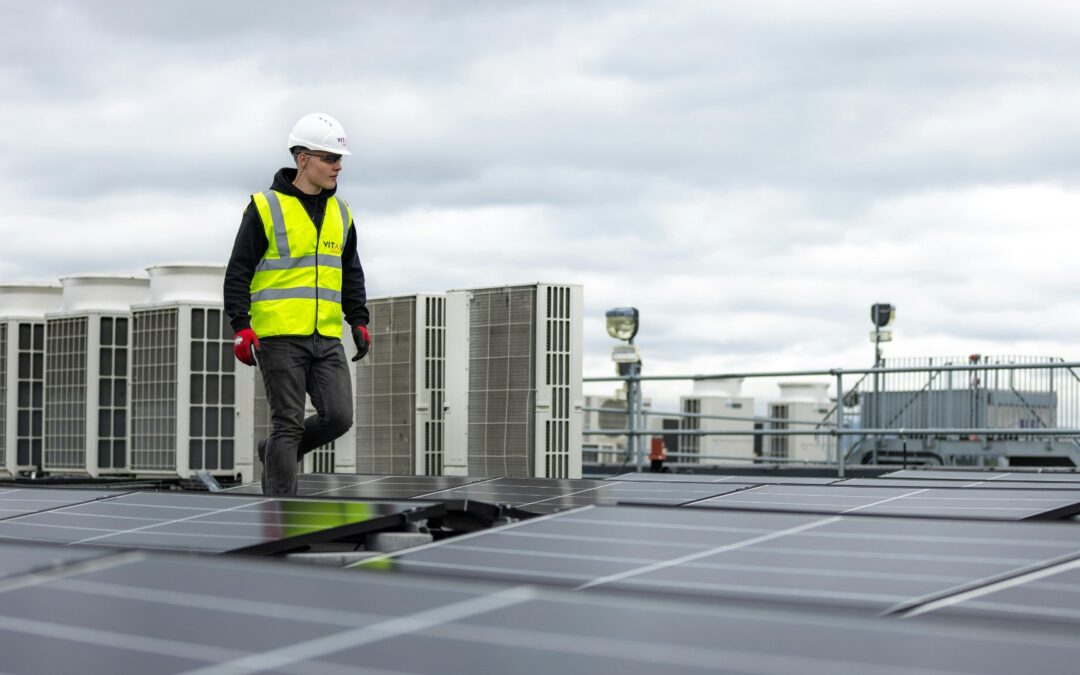
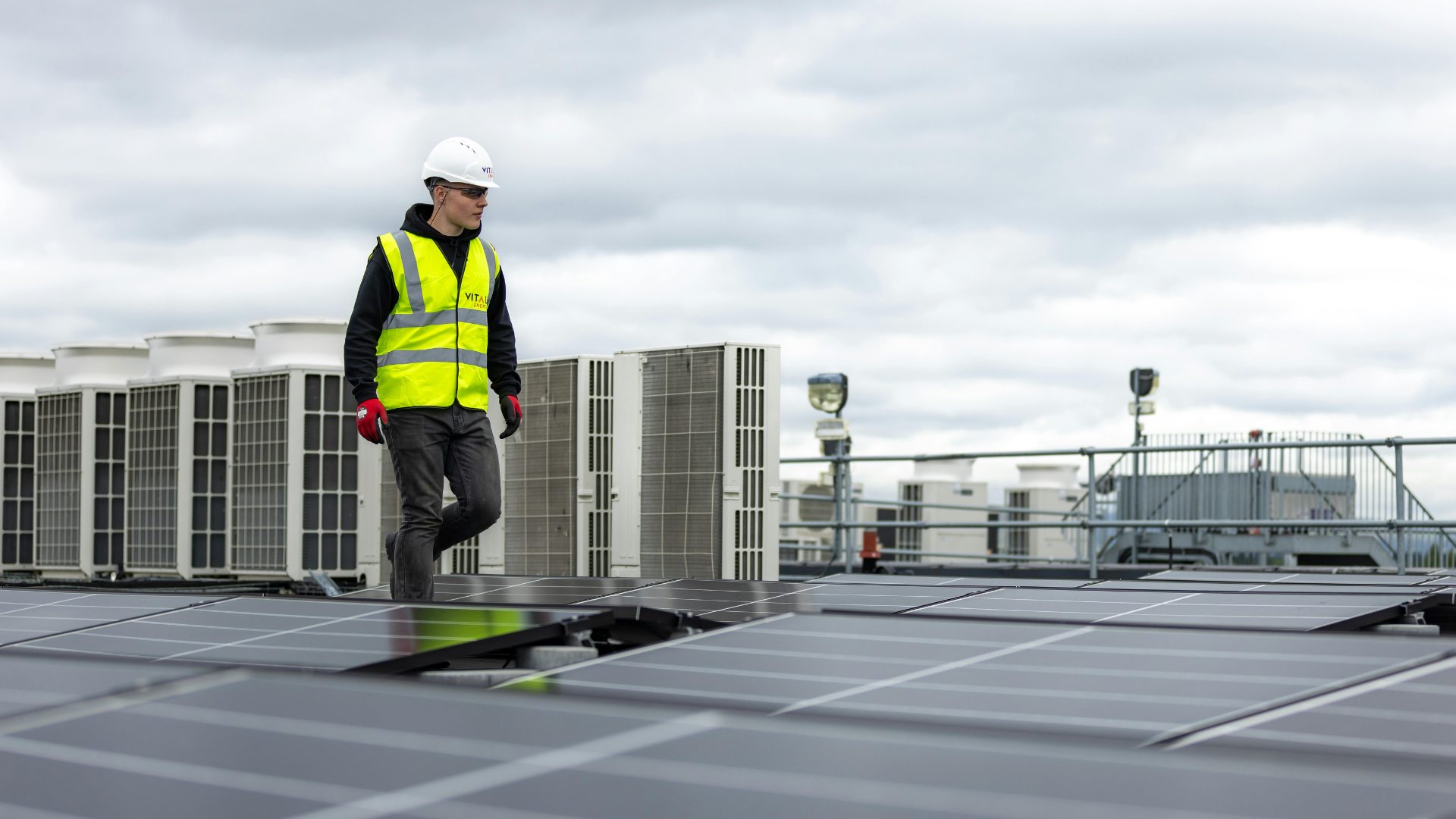
Commercial roofers may use hard hats, eye protection, gloves, high-visibility clothing, slip-resistant footwear and hearing protection. Certain tasks may require additional protection based on chemical, respiratory, electrical or equipment hazards.
PPE is an important defense, but it does not replace hazard control. The preferred approach is to identify and reduce the hazard first, then use PPE to manage the exposure that remains.
Fire Prevention and Hot Work
Some commercial roofing activities can involve heat, sparks or open flames. When hot work is necessary, additional safeguards may include permits, fire extinguishers, removal or protection of combustible materials and a designated fire watch.
The area must also be monitored after the work ends because concealed materials can continue to smolder. Facility representatives should be informed when hot work could affect alarms, operations or building occupants.
Heat, Wind and Severe Weather
Commercial roofs can become significantly hotter than the surrounding air. On summer projects, heat planning may include drinking water, electrolytes, shaded or cooled rest opportunities and employee monitoring.
High winds can also create serious hazards. Membrane sheets, insulation boards, packaging and equipment can become difficult to control. Lightning, rain, frost and ice may require work to stop until conditions improve.
Commonwealth Roofing Corporation evaluates changing weather conditions throughout the day. A plan that was safe in the morning may need to be modified as temperatures rise or storms approach.
Coordination With Facility Operations
Commercial roofing safety is also about protecting the people and operations inside the building. Work may need to be coordinated around production schedules, customer traffic, school activities, delivery routes or sensitive equipment.
This can include:
- Establishing restricted ground-level areas
- Coordinating shutdowns or access limitations
- Protecting entrances and walkways
- Controlling dust, fumes and debris
- Communicating schedule changes
- Documenting roof conditions
- Keeping emergency routes accessible
- Securing tools and materials at the end of each shift
Clear communication helps the roofing team and facility management address risks before they interrupt operations.
Housekeeping and Daily Inspections
A clean roof is safer for everyone. Loose fasteners, membrane scraps, packaging and extension cords can create tripping hazards or become airborne during strong winds.
Crews maintain organized work zones and secure materials throughout the day. Daily inspections can also identify changing roof conditions, damaged equipment or new hazards created as the project progresses.
Safety planning is not finished after the first morning meeting. It continues until the final equipment and debris have been removed.
Safety Is a Measure of Professionalism
A commercial roofing contractor should be able to explain how it handles fall protection, equipment inspections, employee training, weather, material movement and facility coordination. Vague answers can indicate that safety is being handled informally.
At Commonwealth Roofing Corporation, safety supports every other part of the project. It helps protect workers, reduces risk for the building owner and creates a more controlled working environment. It can also improve efficiency because crews understand the plan, equipment and responsibilities before work begins.
A successful commercial roofing project should protect more than the building. It should protect the roofers performing the work, the people inside the facility and the customer’s ability to continue operating safely.
Safety, Service, & Quality — every day since 1981.
Louisville: (502) 459-2216
Hebron: (859) 943-0012
Service: (888) 818-4842